newsletter | Publish | pembaharuan: Thursday, 06 April 2023 | viewed: 427 times
How is Ramadhan celebrated at INACON
Munggahan
Indonesia, the largest archipelagic country, is a home to 270 million people, putting it as the 4th biggest population in the world. Indonesia is also home to the largest Muslim population, around which 231 million people are Muslims. Because Islam is the most adhered religion in Indonesia, Ramadhan is celebrated largely in Indonesia.
The Holy Month of Ramadan
As the most populated Muslim country, Indonesian celebrates and greets the month in a very festive way. The very simple thing and one that you will most likely see are children playing with firecrackers or fireworks. Even though a lot of people nowadays do not allow their children to play with the firecrackers or fireworks due to more safety more of safety reasons, in some places you still can hear the noise pumping your heart beats faster.
Some also say firecrackers/fireworks is like burning your valuable or money, better to use the money to buy food, new clothes for the Idul Fitri festive, new gadgets, etc. Ramadhan, the ninth month of the Islamic calendar, is one of the most sacred times for Muslims. During this month, Muslims observe a strict daily fast from dawn until sunset. They are not allowed to eat or drink, not even water, during these daylight hours. Ramadhan is when Muslim try their best to practice their patience, to do more worshipworships--for only one purpose which is to seek Allah’s pleasure or ridha. Ramadhan is a time to reflect, renew faith, and practice intense devotion and spirituality.
How does it feel to work during the fasting month?
INACON has an office located in South Jakarta which is considered to be one of the best locations; it is close to places for business, education, shopping, and pleasure. To reach the office, staff take various modes of transportation from train, taxi motor/car, motorcycle and private car.
After the pandemic period ended, some staff are allowed to still choose to work from home or from the office which made them more comfortable doing fasting and other worship. Virtual meeting is still an option although restrictions on gatherings are no longer enforced. Talking to some of the staff at INACON, fasting does not affect their productivity at work. Even working at home or anywhere during fasting month, it is the same, you work as usual!
Carrying Duty for Ramadhan Ceremonies
As one of the members of KSA (Kogas Strategic Alliance), it is a turn for INACON this year to take the lead in preparing and carrying out Ramadhan ceremonies: munggahan, breaking the fast, and Idul Fitri celebration. Mr. Agus Hariadi, INACON Director for Operation and Marketing, is in charge as the chairman for the ceremonies.
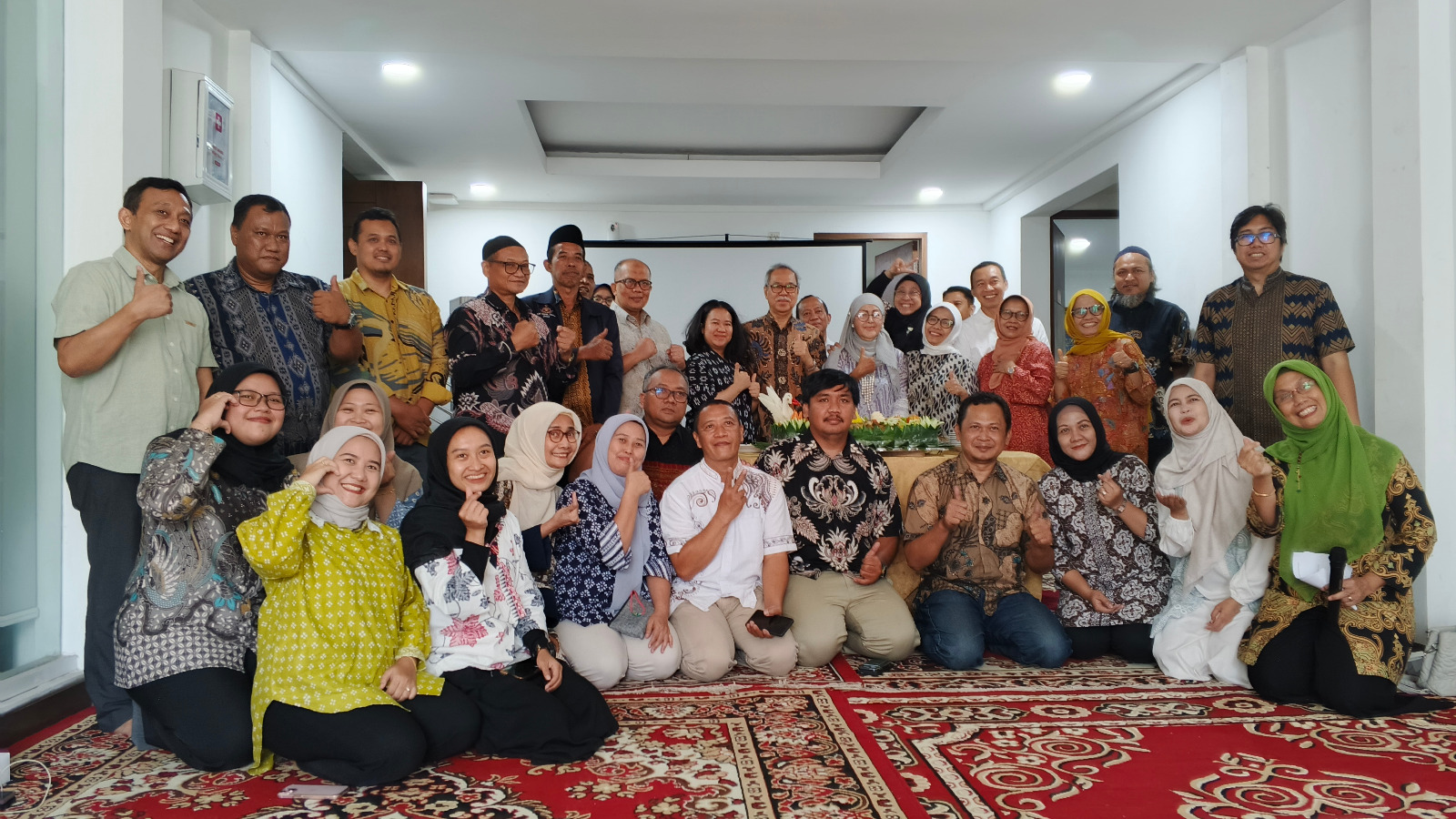
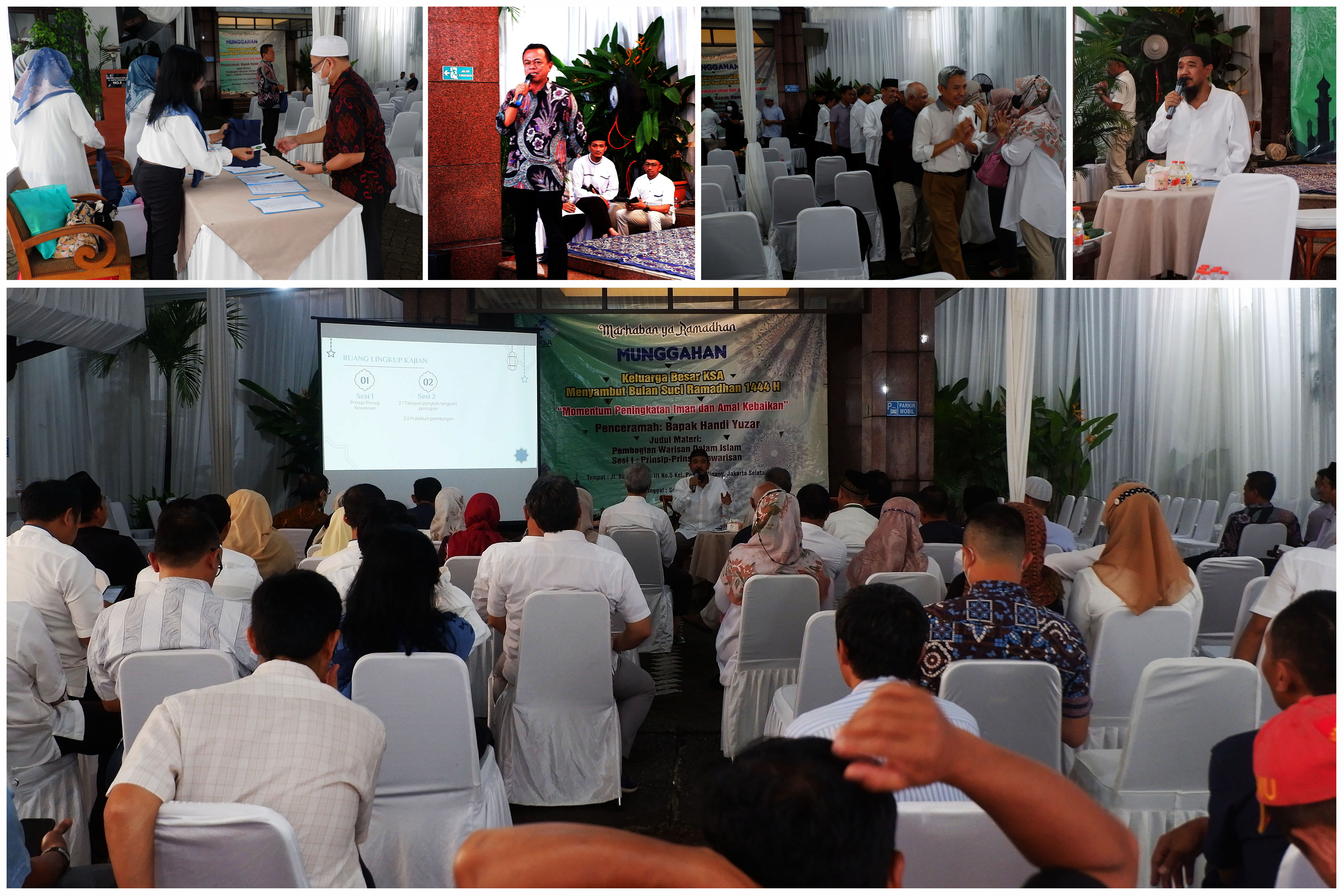
The first one, which was done recently, was Munggahan which is a tradition of the Sundanese Islamic community to welcome the arrival of the month of Ramadan carried out at the end of the month of Sya'ban (one or two days before the month of Ramadan). Munggahan comes from the Sundanese language “unggah” which means to go up, which means to go up to a holy month or to have a high degree. The munggahan tradition is intended as an expression of gratitude to Allah, to cleanse oneself from bad things during the previous year and to avoid bad deeds during fasting in the month of Ramadhan.
The munggahan took place in an office of one of the KSA members, PKW (Phibeta Kalam Wijaya), located in South Jakarta, inviting all staff of the consortium alliance members and their relations. The event was opened with a speech, followed by the recitation of the holy verses of Al Quran and its translation. The highlight of the event was filled with lectures on the Division of Inheritance in Islam and closed with gathering and dinner.
Best Practices in Working during the Ramadan
Using the tips in an article issued by the BrightHR, the 4 (four) best practices employers should follow during Ramadan.
1. Be empathetic to fasting staff
Fasting might impact employees' productivity, especially if their work is physically demanding. A great starting point would be sending an internal email expressing gratitude to employees in approaching the fasting month showing support for fasting employees during Ramadan. This will create a safe and open space for them to talk about how it will affect their work. It also helps to check in with them often to see how they are doing. This will hopefully allow them to feel supported and can help them maintain productivity.
2. Schedule meetings for earlier in the day
Employees have more energy in the morning. They'll get more tired as the day progresses, so try to schedule your meetings in the morning.
3. Be proactive with managing time-off requests
The final 10 days of Ramadan are the holiest and are a time to observe religious practices. As Ramadan ends, it is likely employees request for time off to prepare for the celebration of Idul Fitri. Since the Islamic calendar is lunar, employees may not know the precise time off they will need. So, they will likely have to request leave on short notice. It can be challenging to manage last-minute schedule changes, but employees will appreciate flexibility around requesting time off.
4. Make room for flexible working hours
Allowing employees more flexible work hours can make Ramadhan much easier. The management of INACON applied modified working hours during Ramadan as follows:
Monday – Thursday: 8.30 – 16.00 with 30 minutes break at 12.00 – 12.30
Friday: 8.30 – 16.00 with 1 hour break at 11.30 – 12.30.
The flexible hours and/or working from home policy is an important way to support the employees during the Holy month. It is also great to let staff working late shifts get enough break time to pray and break their fast. Knowing there is no rush reduces stress and makes employees more motivated to return to their shift.
Closing
Someone who performs worship because he expects goodness from Allah, will never feel burdened in carrying out his daily work. Happy fasting to everyone.
Mar2023\ms\al